
Bow Legs
What are Bow Legs?
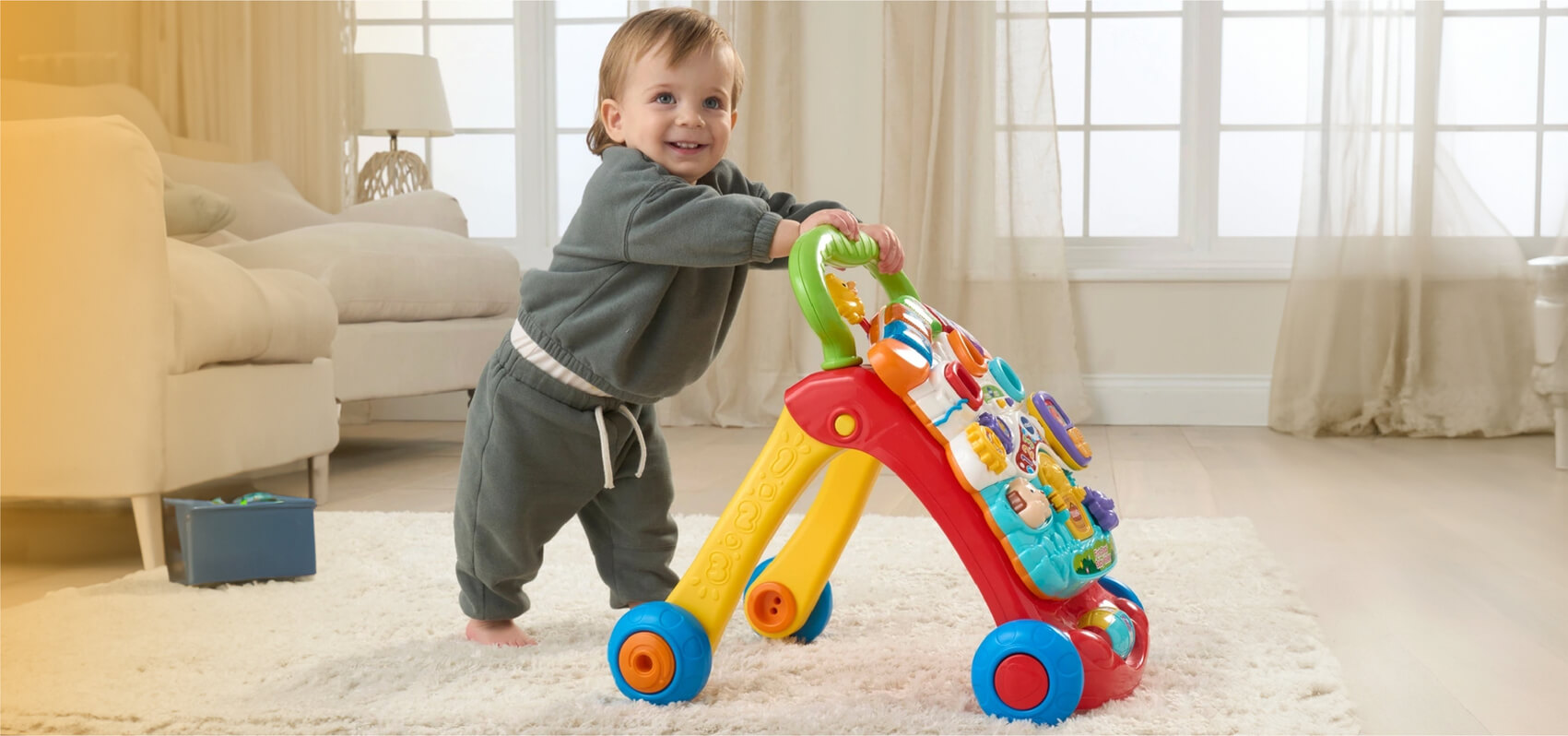
Bow legs, or genu varum, is a condition where a child’s legs curve outward at the knees when standing with feet together. This creates a noticeable gap between the knees. It’s very common in babies and toddlers and is usually part of normal development.
What Causes Bow Legs?

What to Look For (Physical Examination)
How are Bow Legs Treated?
Most children with bow legs do not require treatment, as their legs usually straighten naturally by age three or four. However, medical care may be needed if the condition worsens, affects only one leg, or is linked to an underlying issue like Blount’s disease. In such cases, treatment options may include surgery for older children with persistent deformities.
Possible Complications
If left untreated in pathological cases, bow legs can lead to abnormal gait, knee strain, or joint problems in adolescence or adulthood.
That’s why monitoring and follow-up with a pediatric orthopedic specialist is important if the bowing doesn’t improve with age.
Tests and Investigations
In most cases, no special tests are needed to confirm the diagnosis. If picked up on a prenatal ultrasound, follow-up evaluation after birth is essential. In certain situations, X-rays are usually done as a baseline, and blood tests may be requested or rule out other conditions.
What to Expect
(Outcomes)
Many childrens legs will naturally straighten and require no further medical care.
For those with more severe cases, with the correct management they will go on to enjoy full and active lives.
Do you have a Question?
If you have an question please feel free to contact us